
The Four Member Experience KPIs Health Clubs Can’t Afford to Ignore
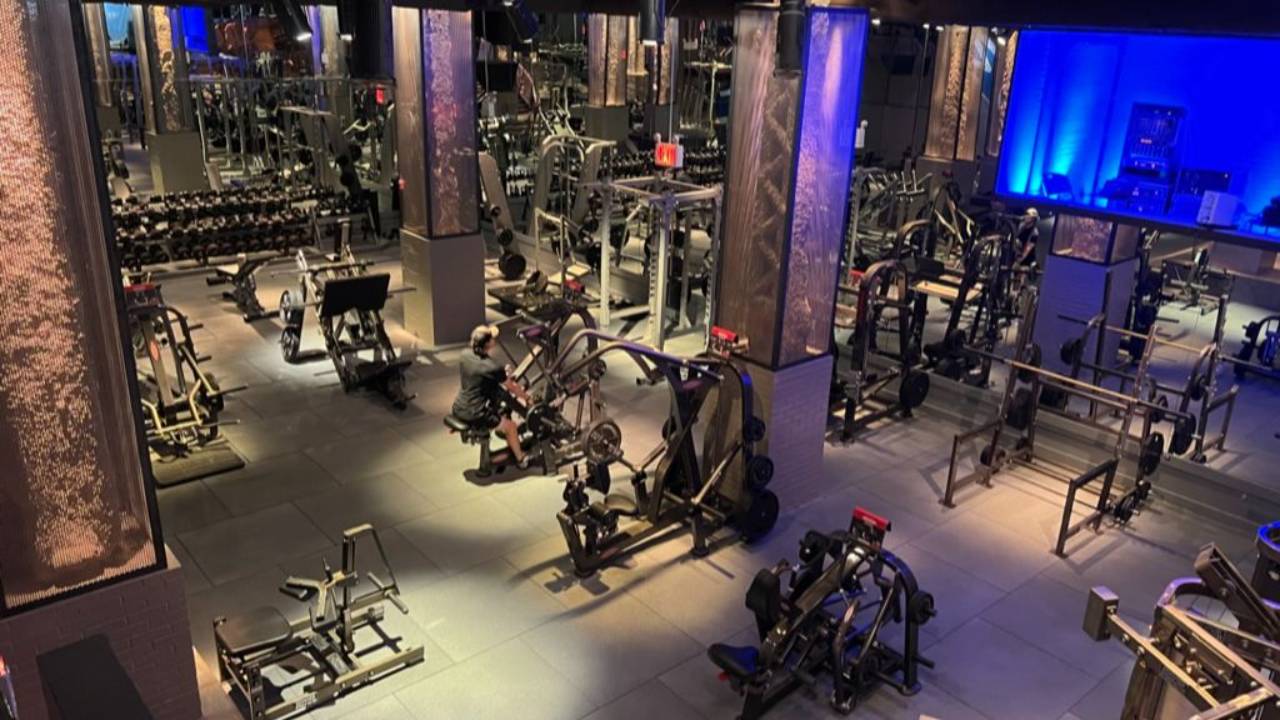
For years, the success of a health club has been judged on sales numbers, total check-ins, and how quickly staff respond to member queries. These operational metrics still matter, but they only tell half the story. A member who attends twice per week might still be frustrated. A fast response to a complaint doesn’t guarantee the problem was solved. And a strong new-joiner month means nothing if those members quietly leave later.
Across the industry, member experience is now the biggest differentiator. Support is no longer just about answering questions, it’s about understanding the effort members go through to use your services, solving their problems quickly, and building real emotional loyalty rather than transactional loyalty.
To achieve that, health clubs must update how they measure success. There are four KPIs that give operators clearer visibility into how members actually feel, and whether they’re on track to stay for the long term.
Make it Easy: Member Effort Score
Member ...
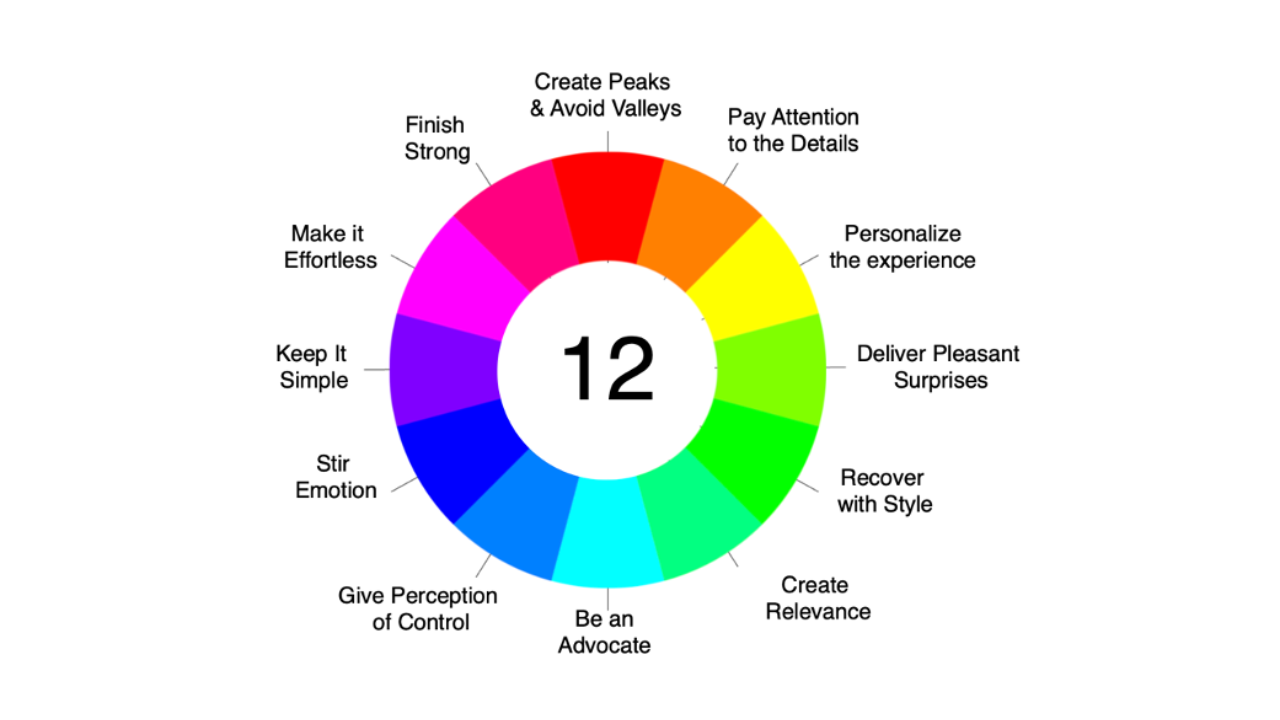
The 12 Things that Create an Unforgettable Member Experience
In a market where fitness options are endless, growing and attention spans are short, the clubs that win aren’t necessarily the biggest, or the cheapest they’re the ones members feel connected to. They’re the places that turn workouts into meaningful rituals and members into passionate advocates.
Based on experience design principles used in world-class hospitality and service brands, here are 12 member-experience essentials every health club can use to improve satisfaction, loyalty, and long-term retention with examples you can put into action tomorrow.
1. Create Peaks & Avoid Valleys
Most members remember emotional highs and lows, not the routine in-between. Clubs that design standout moments retain members longer.
Examples:
- Celebrate new-joiner milestones (Visit #5, first class completed, first month achieved)
- Add energy peaks in classes through music, lighting or small motivational “finishers”
- Avoid operational dips, long waits for equipment, cluttered spaces, confusing pr ...
Most People Don’t Quit the Gym, they Just Never Build the Habit

Every January, gyms fill up with good intentions. People sign contracts, download programmes, set goals and promise themselves this time will be different. And yet, by spring, many of those same people have quietly stopped going.
The usual explanation is a lack of motivation. People tell themselves they didn’t want it badly enough, weren’t disciplined enough, or somehow failed. But research tells a very different story. Most people don’t quit exercise because they lack motivation. They stop because exercise never becomes a habit.
Matthew Hagger’s research into habit and physical activity helps explain why. His work shifts the focus away from motivation and towards something far more powerful: what happens when exercise becomes automatic rather than effortful.
Motivation is fragile. Habits are protective.
Motivation is often treated as the engine of exercise behaviour. If you care enough, try hard enough, and remind yourself of the benefits, you’ll keep going or so the story goes. T...
Peloton Is So Addictive (and Why That’s Not an Accident)
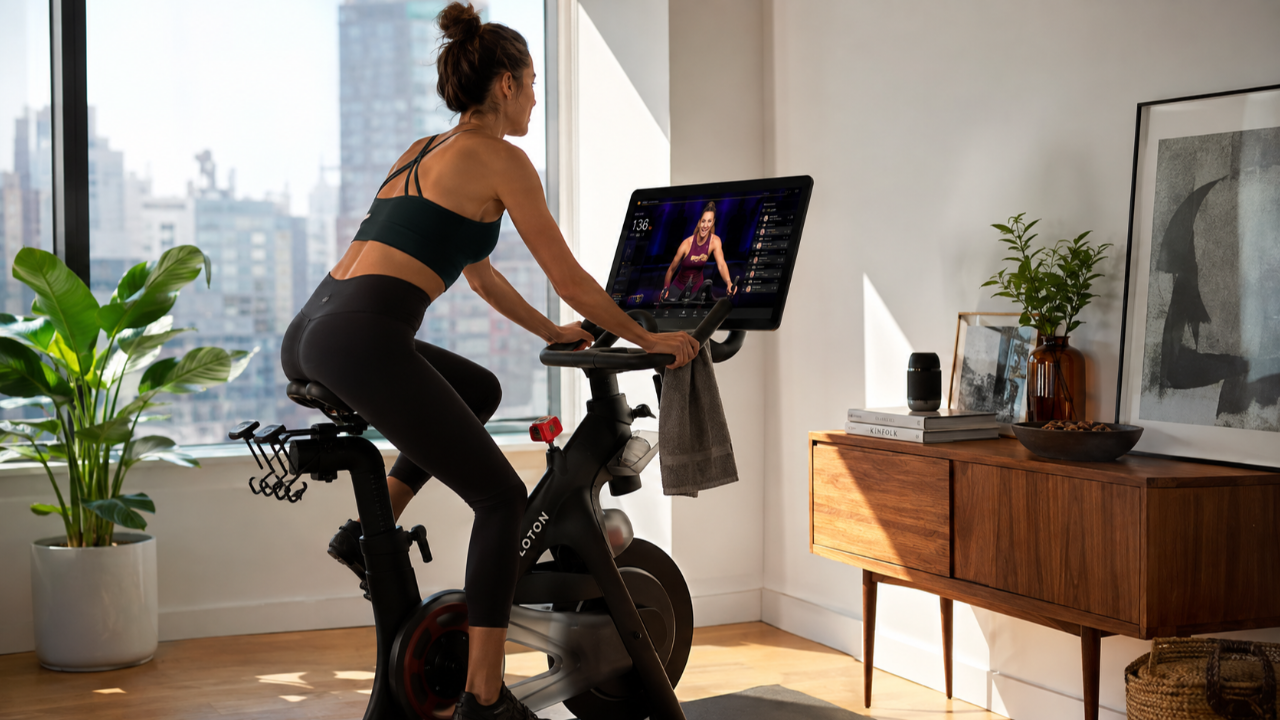
People don’t usually talk about fitness products the way they talk about Peloton.
They don’t say, “I use it a couple of times a week if I feel like it.” They say things like, “I feel off if, I missed a session,” or “I didn’t realise how much I’d miss it until I couldn’t train.”
That language matters.
Peloton isn’t just popular. It’s habit-forming. And while it’s tempting to put that down to good instructors, slick production, or expensive bikes, the real reason runs much deeper.
Peloton is addictive because it understands human behaviour better than most fitness businesses ever have.
Peloton Doesn’t Feel Like Exercise and That’s the Point
One of the biggest reasons Peloton hooks people in is that it quietly removes the mental weight we associate with exercise.
There’s no travel.
No decision-making.
No wondering what workout to do.
No scanning the room to see who’s watching.
You clip in, press start, and you’re already moving.
This matters because most people don’t quit exercis...
Small Nudges, Big Impact: How Simple Changes Can Get More People to the Gym

For years, gyms have tried to solve poor attendance with big solutions: new equipment, upgraded facilities, ambitious programmes, and motivational campaigns designed to “inspire” members into action. But a fascinating piece of research by economists T.K.M. Beatty and B. Katare suggests something far simpler and far cheaper can make a meaningful difference.
Their 2018 study looks at low-cost ways to increase gym attendance, and the results challenge a lot of assumptions about why people don’t show up. The takeaway is refreshingly practical: people don’t need more encouragement or bigger incentives. Often, they just need a small nudge at the right time.
The real problem isn’t laziness, it’s follow-through
Most gym members join with good intentions. They plan to attend regularly and genuinely believe they will. The gap appears not at the point of joining, but in the day-to-day follow-through. Life gets busy, plans change and exercise slips down the priority list.
Beatty and Katare foc...
Facility Design and its Impact on Retention.

At times of economic challenge retaining customers is important to all business. This article is intended to identify issues that can contribute to increased retention and decreased attrition in the design of our gym spaces.
Gyms evolved in the UK market first in the public sector. The introduction of the early universal multi-gym provided users with their first experience of weight training that was not reliant on free weights. Body building gyms existed but these were dedicated to a small minority of users who’s sole aim was to sculpt their shape rather than gain fitness related benefits.
As facilities evolved so did the machines found within them. Universal was followed by Nautilus and then by domestic and foreign manufacturers. Schwin Air-dines gave way to Life cycles, square tubed resistance machine with tall weight stacks gave way to curved frames and low profiles. The range of machines grew and so did the size of the space required to house them.
While the equipment has grown...
What the Best Clubs do to Retain Members?
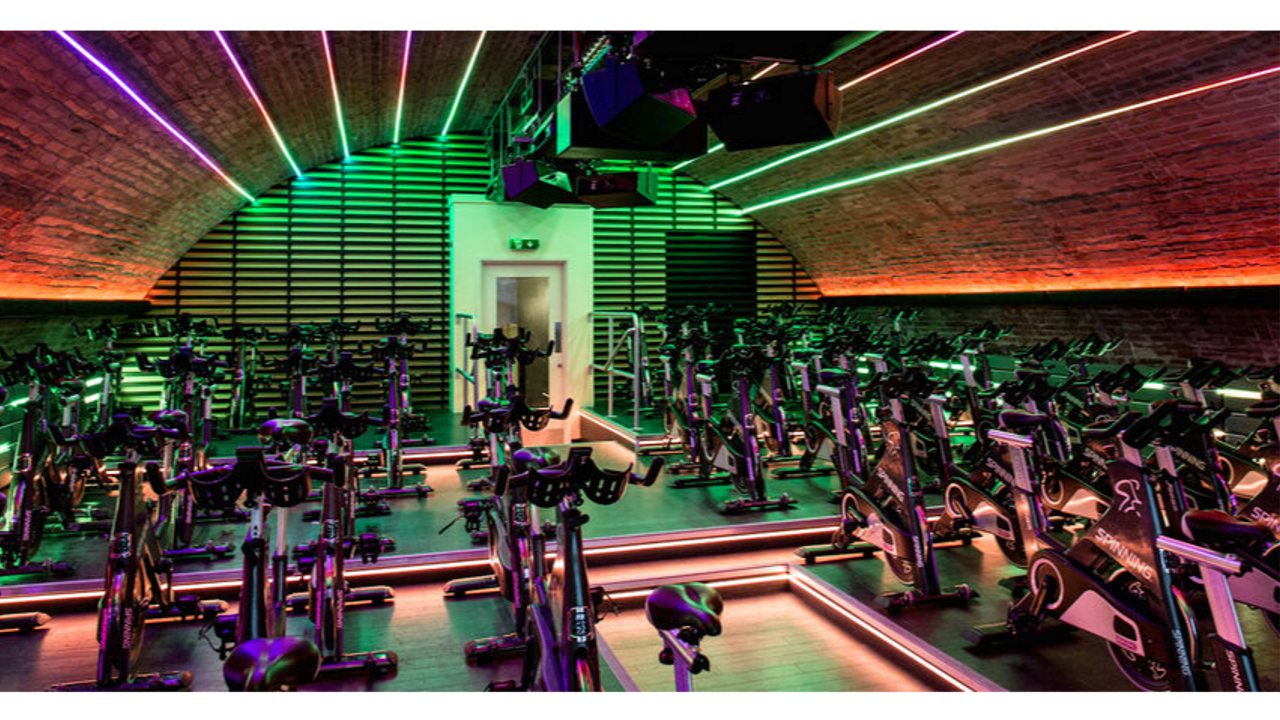
For more than 20 years, I have been intensely studying health club operators and member behaviour in order to understand what can be done to increase member retention and reduce attrition.
This required me to look internally at our industry for examples of best practice as well as externally at some of the world’s most affective customer experience strategies developed by organisations as larger as, Apple, Amazon, and McLaren Cars and as small as my local coffee shop.
My observation and investigation into the thoughts and process that developed these customer experiences reveals common patterns that can be adopted and replicated within the health club business. For this article I want to describe the operating behaviours of health clubs who are able to keep more than 70% for twelve months , and 50% of their members for more than two years.
Regardless of whether you are a small, medium or large organisation you will be able to apply some, if not all, within your business today, to be...
The Chemistry of a Great Session
How the Best Personal Trainers Design Workouts That People Actually Want to Come Back For
A perfect workout is rarely the one that burns the most calories or leaves someone flat on the floor. In fact, the sessions that keep clients coming back week after week often look deceptively simple on paper. What makes them powerful is not the exercise selection alone, but the emotional and neurochemical experience created along the way.
At its core, a successful training session is a carefully guided emotional journey. Long before clients see physical results, their brains are deciding whether this experience feels rewarding, safe, satisfying, and worth repeating. That decision is heavily influenced by four key neurochemicals: dopamine, oxytocin, serotonin, and endorphins.
The best trainers, whether they realise it or not, design sessions that activate all four. Not in a gimmicky or manipulative way, but by understanding how humans experience effort, progress, connection, and reward. When th...
Can You Recycle Your Members?

Why Former Members Are Your Most Valuable Untapped Market
For decades, the health and fitness industry has been driven by a single dominant strategy: acquisition. Clubs pour time, money, and energy into attracting new members every month. Yet, beneath this focus lies an enormous opportunity that is often overlooked, the potential to bring back those who have left. Former members are already familiar with the brand, the building, the people, and the experience. They joined once because they believed the club could help them. And that belief can be reignited.
This shift from pure acquisition to strategic re-engagement is becoming essential in an increasingly competitive marketplace. The question is no longer, “How many new members can we sign up?” Instead, the more commercially intelligent question is, “How many members can we recover?” If the industry is willing to recycle waste materials to save money and protect the environment, surely recycling members who are far more valuable, is...
Culture Keeps CrossFit Members Longer Than Any Retention Program
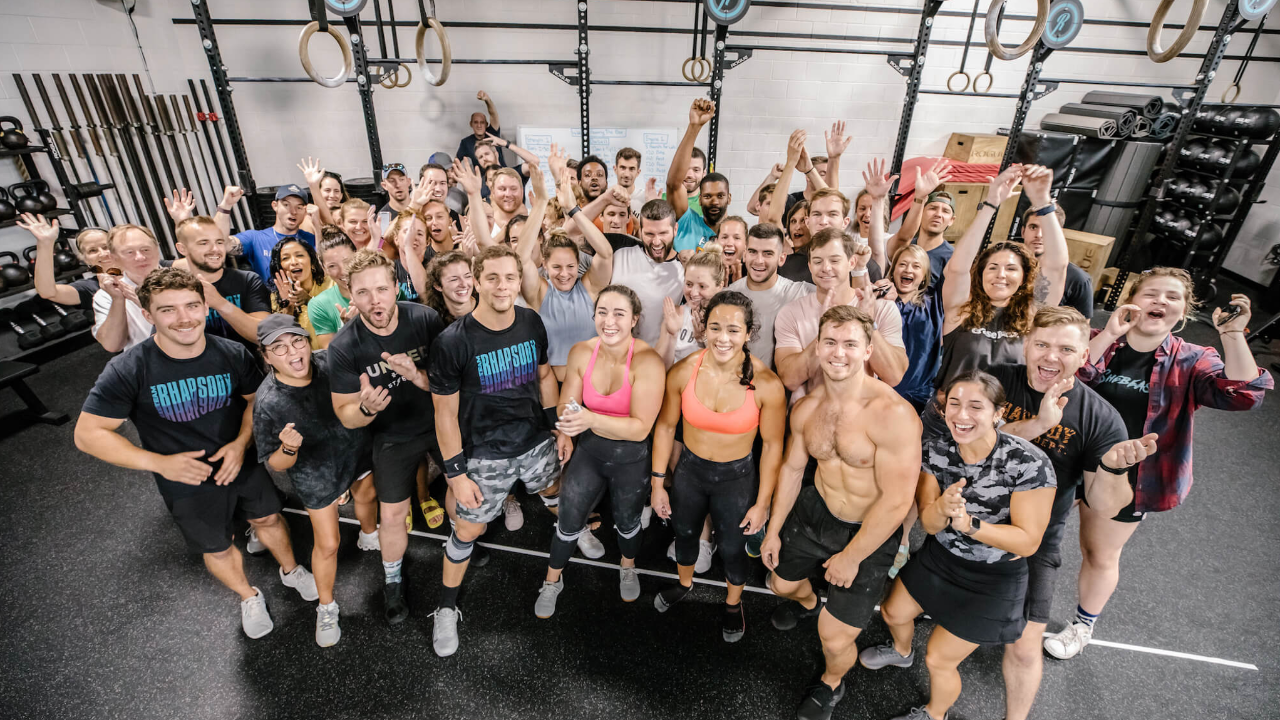
Walk into a CrossFit gym and you notice it immediately.
People talk to each other. Coaches know names. Someone stays behind to cheer the last finisher. There’s an energy that feels very different from a traditional gym floor.
That difference isn’t accidental, and it isn’t about the workouts alone.
Across the industry, CrossFit has become one of the clearest examples of how culture drives retention. Not through gimmicks or discounts, but through daily behaviours, shared standards, and an environment people feel part of rather than simply signed up to.
This article explores why CrossFit culture works so well for retention, what sits beneath the surface of that community feel, and what operators in any fitness setting can learn from it.
Culture First, Community Second
One of the most misunderstood ideas in fitness is the belief that community can be created directly. In reality, community is rarely something you “build” intentionally through events or social media alone.
Community...

8 most common mistakes operators make.
Simply enter your name and email to download your free copy today!